The Role of Timing in Motion Design
Timing is to motion design what spacing is to typography. Get it right and everything feels natural. Get it wrong and even the most beautiful animation will feel off. Here is how to think about it.
Topic
Motion
Date published
Read time
5 mins read
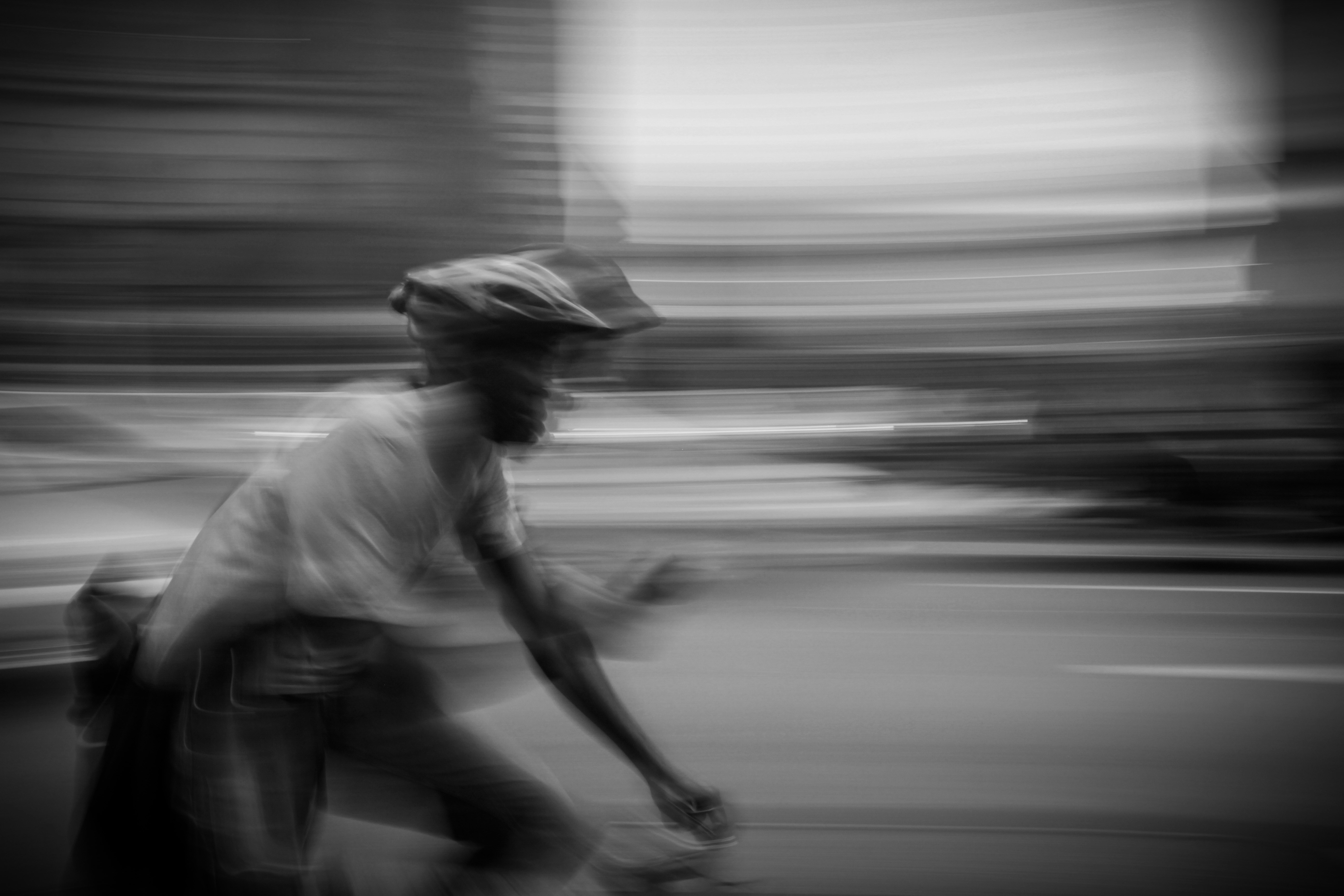
Why timing is the hardest thing to teach
Most aspects of motion design can be learned from tutorials and reference material. Timing is different. It lives in the gap between what looks correct on paper and what feels right in motion. Two animations with identical easing curves and identical keyframes can feel completely different depending on their duration. Developing a sensitivity to timing is less about learning rules and more about training your eye through obsessive observation and iteration.
Duration is a personality decision
How long an animation takes to complete communicates something about the brand or product it belongs to. Short, snappy durations feel confident and decisive. Longer, more drawn out durations feel considered and premium. Neither is inherently better but both are intentional choices that should reflect the personality of what you are designing for. A luxury brand and a productivity app should not have the same animation timing even if they are using the same easing curve.
Easing is what makes motion feel real
Linear animation — where an element moves at a constant speed from start to finish — looks mechanical and digital in the worst sense. Nothing in the physical world moves linearly. Objects accelerate and decelerate. They have weight and momentum. Easing curves simulate this physical reality and that simulation is what makes motion feel natural rather than robotic. Ease in, ease out, and custom cubic bezier curves are the vocabulary of motion that feels alive.
Sequencing creates rhythm
When multiple elements animate together the order and timing of their entrances and exits creates a rhythm that can either feel intentional or chaotic. A well sequenced animation guides the eye deliberately from one element to the next building understanding and creating delight along the way. A poorly sequenced animation fires everything at once overwhelming the viewer and communicating nothing. Staggering elements by even small amounts — 40 to 80 milliseconds — creates a sense of choreography that elevates the entire experience.
How to develop better timing instincts
Record yourself scrubbing through animations you admire and study the exact moments where things accelerate and decelerate. Build the same animation at three different durations and watch each one ten times before deciding which feels right. Pay attention to how films use the timing of cuts and camera movements to control emotional pacing. The more you study timing across disciplines the more instinctive your own timing decisions will become.