Why Every Creative Should Learn to Code
You do not need to become a developer. But understanding how the web is built will make you a significantly better creative. Here is why coding literacy matters more than ever for designers.
Topic
Industry & Culture
Date published
Read time
6 mins read
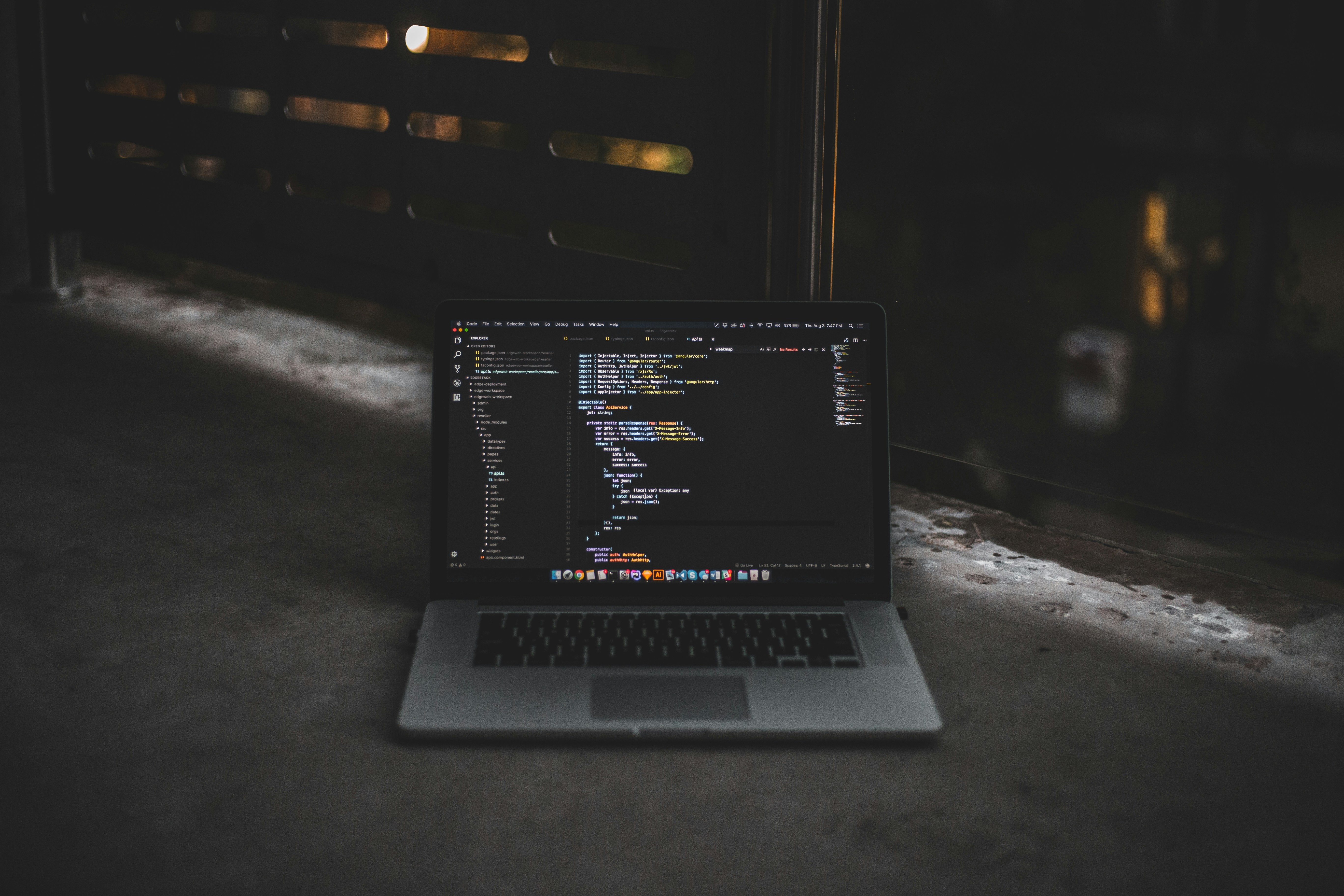
The gap between design and build is closing
The tools available to creatives today have made the line between designer and developer thinner than it has ever been. Framer, Webflow, and similar platforms mean that a designer with even a basic understanding of how the web works can build production ready experiences without writing a single line of code. But the creatives who go further — who actually understand HTML, CSS, and a little JavaScript — have a compounding advantage that grows with every project they ship.
You will design better when you understand constraints
One of the most common friction points between designers and developers is feasibility. A designer who has never built anything tends to design without awareness of what is hard, what is expensive, and what is simply not possible in a browser. Learning to code even at a basic level changes this immediately. You start making decisions that respect the medium you are designing for and your relationship with engineers becomes collaborative rather than adversarial.
It makes you significantly harder to replace
The creative industry is changing fast. Clients have more tools available to them than ever and the demand for generalist creatives who can think, design, and build is growing. A designer who can also develop is not just more valuable — they are a different kind of offering entirely. They can take a project from brief to live without needing to bring in additional resource and that is a proposition very few people can match.
You do not need to learn everything
The goal is not to become a full stack developer. The goal is to be literate enough in code that you can build simple things yourself, communicate fluently with developers, and understand the implications of your design decisions at a technical level. HTML and CSS are genuinely learnable in a few weeks of focused practice. JavaScript takes longer but even a surface level understanding opens enormous doors.
Where to start without feeling overwhelmed
Start with HTML and CSS on a platform like freeCodeCamp or The Odin Project. Build something small and real — a personal page, a component, anything that goes live on the internet. The act of shipping something you built yourself changes how you think about design in a way that no course or tutorial can fully replicate. From there follow your curiosity. The path will become clear once you start moving.