Why Minimal Design Is Harder Than It Looks
Stripping a design down to its essentials sounds simple. It is anything but. Here is why minimal design demands more from a designer than any other approach.
Topic
Design
Date published
Read time
4 mins read
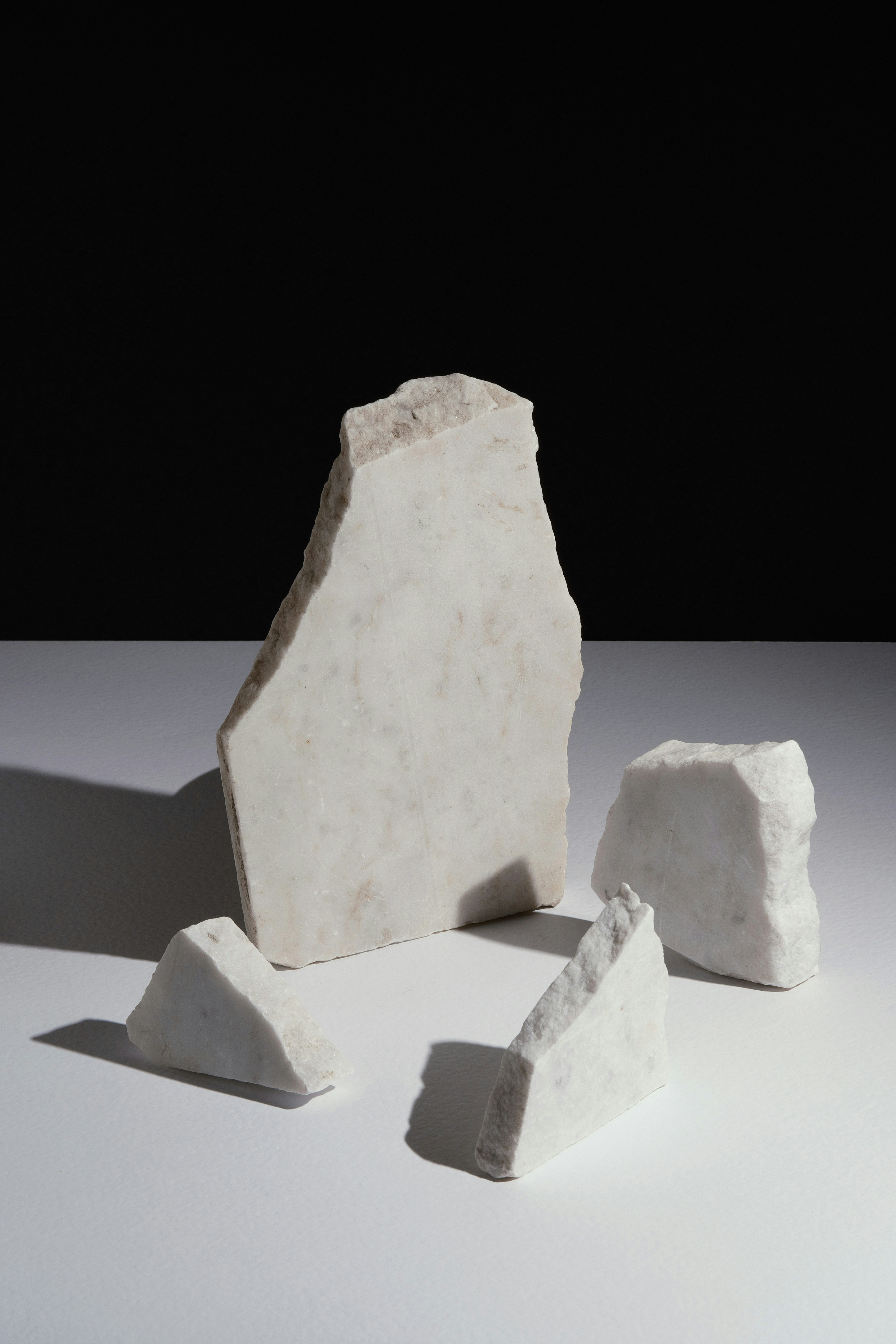
There is nowhere to hide
Everyone wants minimal. Clients ask for it, designers aspire to it, and mood boards are full of it. But spend enough time working in this space and you quickly realise that minimal design is one of the hardest things to do well. When you remove everything decorative, every decision becomes load bearing. The size of a heading, the space between elements, the weight of a single line — all of it is visible and all of it matters.
Empty is not minimal
Most designers who attempt minimal work end up with one of two outcomes. Either the design feels empty and unfinished, like something is missing. Or it feels sterile and cold, technically sparse but completely lacking in warmth or character. Neither is what minimal design should be. True minimalism is not about removing things. It is about finding the exact right things and giving them the space to breathe.
Every element earns its place
Minimal design requires a deep understanding of hierarchy, a sharp eye for proportion, and the confidence to resist the urge to fill silence with noise. The best minimal designs feel inevitable. Like they could not have been any other way. That feeling is the result of hundreds of small decisions made with complete intentionality. It does not happen by accident and it does not happen quickly.
How to actually get better at it
Stop trying to remove things and start trying to understand why each element earns its place. Study layouts that feel effortless and reverse engineer the decisions behind them. Practice designing with constraints — limit yourself to one font, two colors, and fixed spacing. When everything on the canvas has a reason to be there, minimal takes care of itself.